Japan’s Zen Gardens and Wooden Temples: The Legacy of Minimalist Aesthetics
These structures offer unique examples both architecturally and in landscape design.
Japan’s Zen Gardens and Wooden Temples: The Legacy of Minimalist Aesthetics
Japan is a country that attracts global attention with its unique architectural approach and elegant gardens. Especially Zen gardens and wooden temples are among the elements that best reflect the philosophy of simplicity and harmony with nature in Japanese culture. These structures offer unique examples both architecturally and in landscape design. The Golden Pavilion (Kinkaku-ji) and Silver Pavilion (Ginkaku-ji) temples in Kyoto are the most well-known examples of Japanese minimalist aesthetics and architectural understanding.
Zen Gardens: The Tranquility of Nature
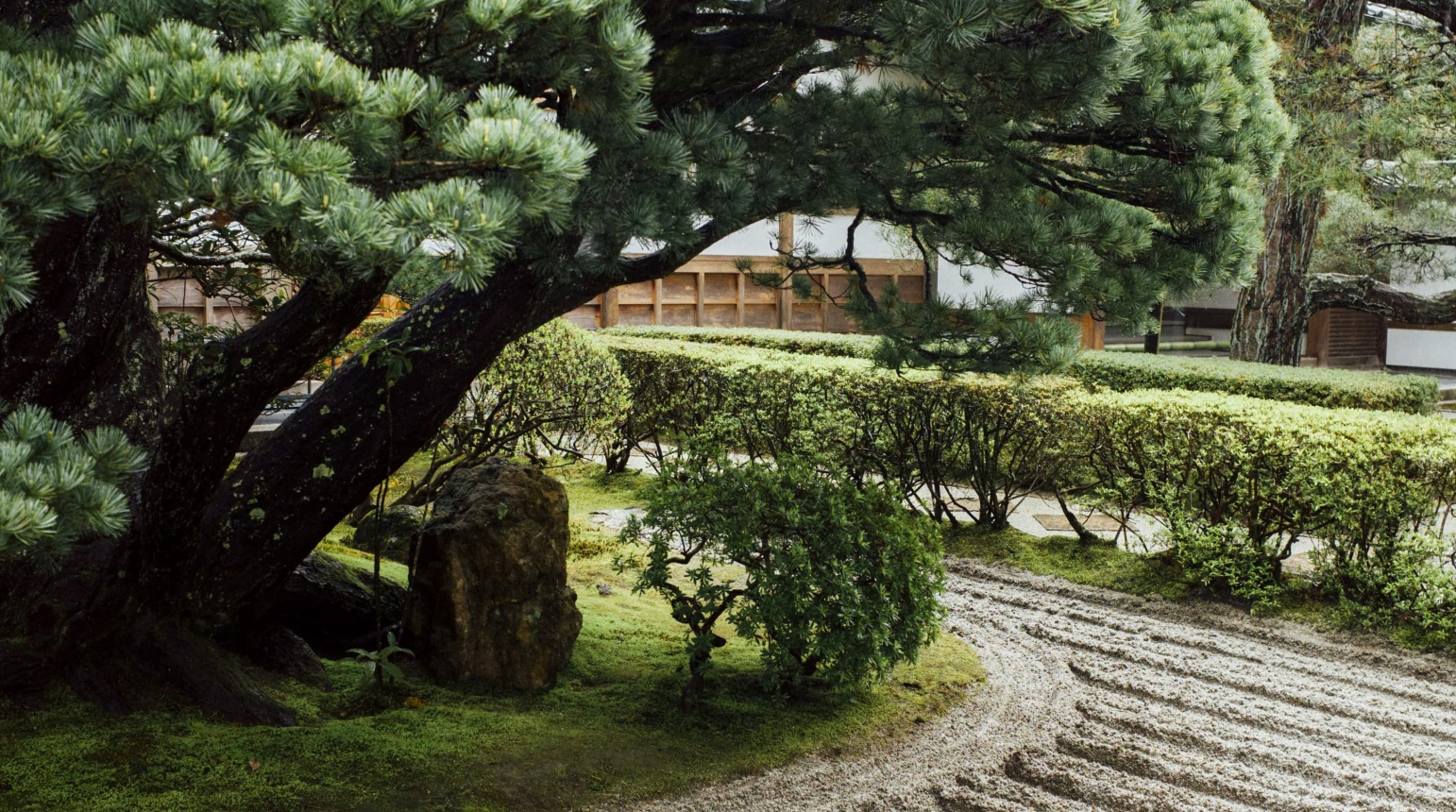
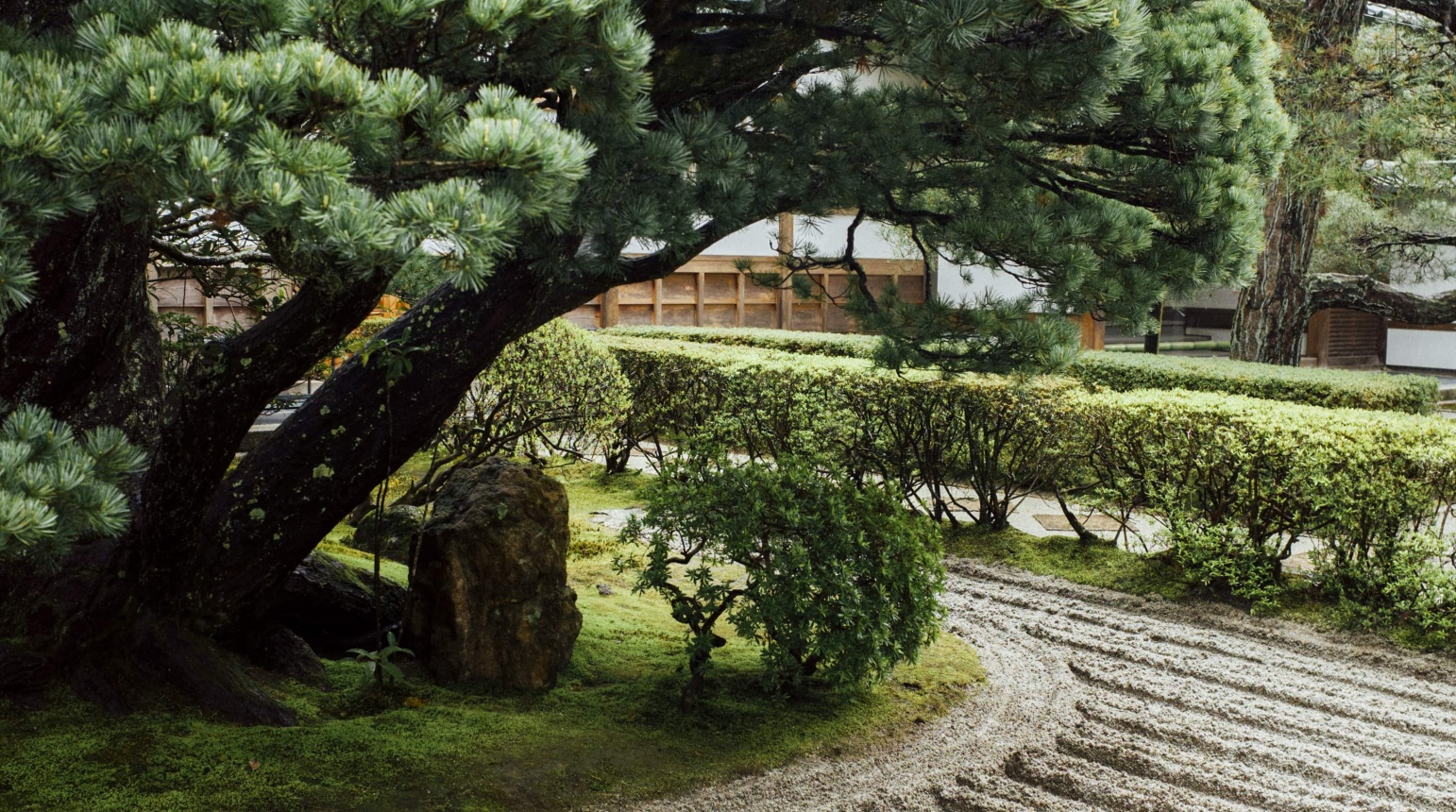
Zen gardens, known in Japan as “karesansui,” are dry landscape gardens. In these gardens, sand and gravel are used instead of water; in addition to these elements representing water, rocks and stones represent mountains, hills, and islands in nature. Zen monks use these gardens for meditation and inner tranquility.
The philosophy behind Zen gardens emphasizes simplicity, symmetry, and the meaning of emptiness. Minimal elements used in the gardens highlight the importance of natural order and silence. Raking the sand symbolizes water waves, and this process is considered a meditative act. Zen gardens are designed to offer viewers serenity and inner peace.
Golden Pavilion (Kinkaku-ji): Radiant Splendor and Natural Harmony
Kinkaku-ji is a temple in Kyoto, Japan, famous for its gold coating. Built in 1397 by Ashikaga Yoshimitsu, it was originally designed as a villa and later converted into a Zen temple. Kinkaku-ji is one of Japan’s most iconic structures, renowned for its golden leaf covering and magnificent pond view.
The temple’s architecture reflects the Zen aesthetics of the Muromachi period. Each floor of the temple is built in a different architectural style: the first floor in Shinden-zukuri style, the second in Buke-zukuri style, and the third in Zen style. The upper floors covered in gold leaf shine in the sunlight, while the surrounding gardens and pond symbolize natural harmony.
Architect: The exact name of the architect who originally built Kinkaku-ji is not definitively known, but it is believed that Zen monks and masters of the period played a significant role in its design. Today, Kinkaku-ji is considered a national treasure of Japan and is listed as a UNESCO World Heritage Site.
Silver Pavilion (Ginkaku-ji): Elegant Simplicity and Tranquility
Ginkaku-ji is another important Zen temple in Kyoto, offering a simpler and more minimalist structure compared to the Golden Pavilion. Built in 1482 by Ashikaga Yoshimasa, it was initially planned to be covered in gold as well, but after Yoshimasa’s death, the plan was canceled, leaving the structure in its plain form.
Ginkaku-ji’s architecture emphasizes Japan’s natural elements and the philosophy of simplicity. Its Zen garden is the most striking feature. The dry landscape garden, with sand and stones arranged skillfully, adds a different dimension to the scenery. Wave patterns in the sand and raised areas representing mountains provide a landscape intended to connect with nature internally.
Architect: Zen monks and masters of the period contributed significantly to Ginkaku-ji’s construction, particularly the famous landscape architect Soami, who is believed to have influenced the design of the Zen garden. Ginkaku-ji is also listed as a UNESCO World Heritage Site.
Characteristics of Wooden Architecture
Zen temples in Japan showcase some of the finest examples of wooden architectural design. Wood is the primary building material in Japanese architecture because it adapts to the country’s humid climate and its flexibility makes it resilient against natural disasters like earthquakes. The use of wood in Zen temples reinforces the structure’s harmony and natural integration with its surroundings.
Wooden temples also reflect traditional Japanese construction techniques. The Kumimono wooden joint system allows these structures to be built without nails, making them durable and flexible. This technique requires the craftsmanship that Japanese artisans have developed over centuries.
The Influence of Japanese Minimalism
Zen gardens and temples in Japan are more than just religious sites; they are among the strongest reflections of Japanese minimalist aesthetics. These structures turn simplicity and harmony with nature into an architectural and artistic expression. The concept of “ma,” central to Zen philosophy—meaning emptiness and silence—is evident in these structures. Open spaces in the gardens and the quiet balance between buildings encourage meditation and inner peace.
Japan’s Zen gardens and wooden temples combine architecture and art to provide visitors with both a visual feast and inner tranquility. Structures like Kinkaku-ji and Ginkaku-ji are architectural manifestations of Japanese culture’s values of harmony with nature, simplicity, and elegance.
These unique structures and gardens are considered among the most important cultural and architectural treasures not only of Japan but of the world. Japanese Zen philosophy and minimalist aesthetics continue to provide significant inspiration in both architectural and landscape design.
Discover