Office Decoration Ideas and Modern Design Examples
In today’s business world, offices represent much more than just a workspace. Offices are now dynamic living spaces that reflect a company’s identity and directly affect employees’ productivity, motivation, and well-being. Therefore, office decoration should be viewed not only as an aesthetic choice but also as a strategic investment. A well-designed office supports employees’ intrinsic motivation while ensuring the workplace appears professional, innovative, and inviting.
When planning office decoration ideas, criteria such as aesthetics, comfort, functionality, and sustainability should be evaluated together. With the right design decisions, even narrow and small office layouts can be transformed into spacious and airy areas, while plain spaces can gain warmth and creativity. Workplace decoration can also become a signature of the brand with visual details reflecting corporate identity. Modern office designs are no longer limited to choosing desks and chairs; elements ranging from floor and wall coverings to lighting solutions, digital integration, and plant usage form the foundation of designs that combine functionality and aesthetics.
Modern Office Decoration Ideas
Modern office designs offer versatile solutions that enhance employee experience and support corporate identity. Offices are no longer just spaces for long hours at the desk; they have become multifunctional areas where inspiration is found, collaborative work is done, and sometimes rest is taken. Therefore, modern office decoration ideas focus on balancing functionality and aesthetics to create a simple yet strong atmosphere.
Every company has its unique culture and working style. In technology firms, creative and dynamic office areas, such as gaming and relaxation corners or flexible seating arrangements that provide a sense of freedom, are prominent. In more traditional sectors like finance or law, minimalism, organization, and professionalism take priority. In both approaches, the common goal is to create an environment where employees feel comfortable, can focus, and experience corporate values. At this point, by examining decoration ideas in detail, you can bring your own office arrangement concepts to life.
Color Harmony and Psychological Impact
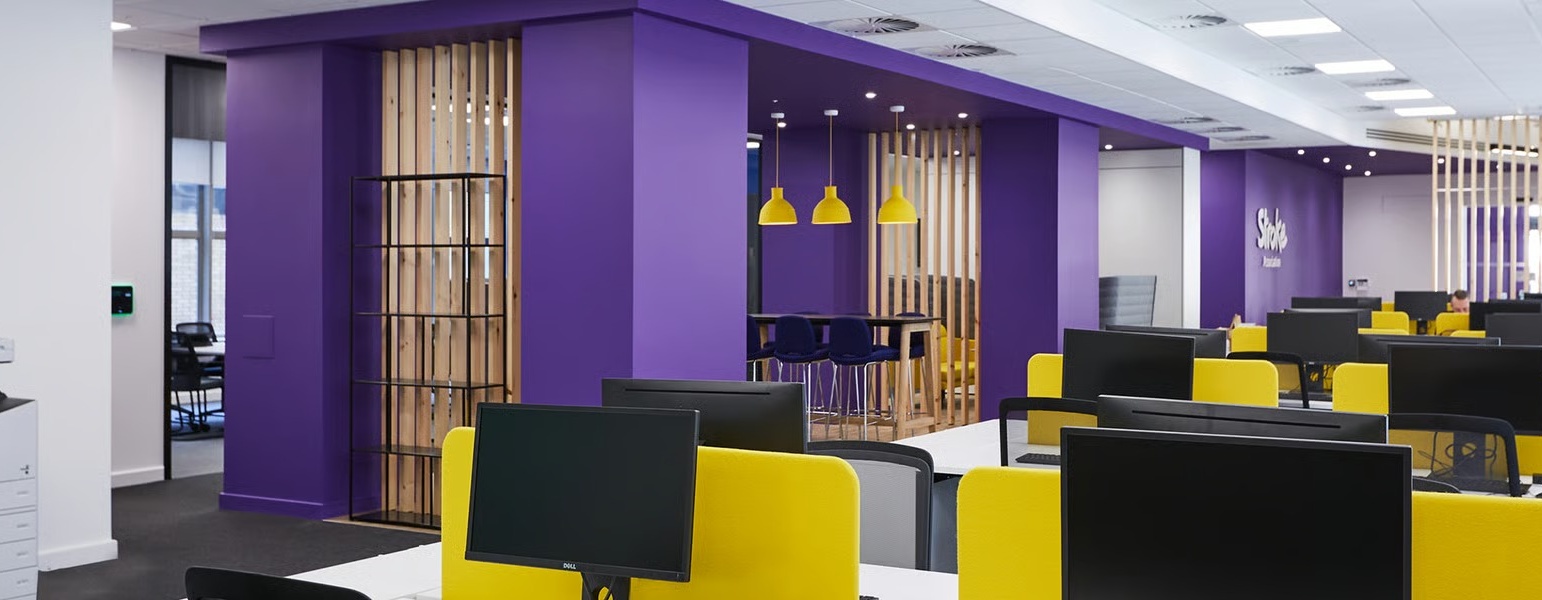
Colors directly influence employees’ mood, motivation, and productivity in an office environment. Choosing the right color palette in office decoration is critical. For example, blue and green tones provide a sense of calm, concentration, and focus, while yellow encourages energy and creativity. Neutral colors like gray or beige offer a calm and balanced background, allowing other colors to stand out. Corporate colors can be integrated harmoniously into the overall palette, bringing the brand into the interior. Especially in meeting rooms or areas requiring intense focus, simple and neutral tones that do not distract should be preferred.
Strategic Use of Lighting
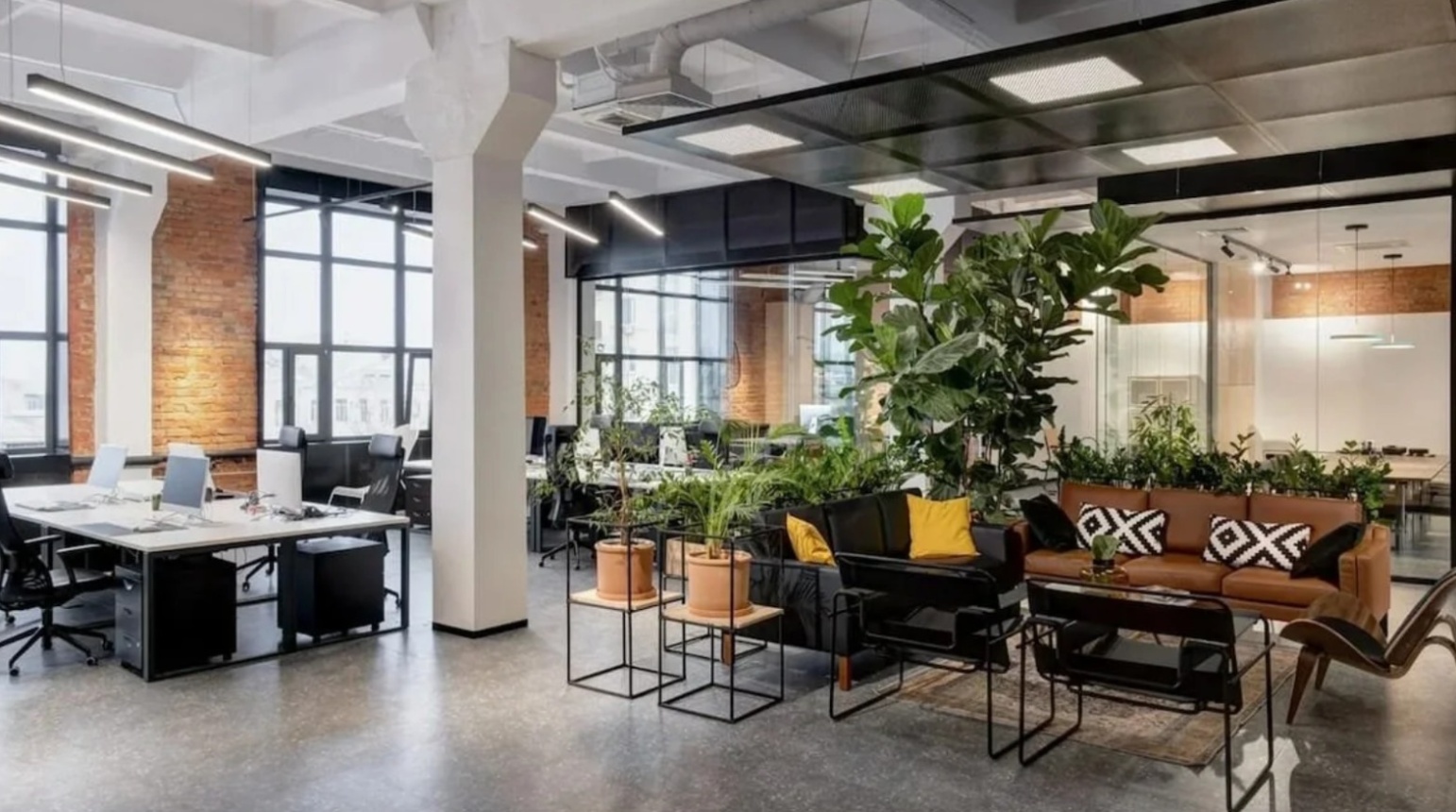
Lighting is a vital element that directly affects employee productivity and comfort, although it is often overlooked in office decoration examples. Natural light sources should be maximized; large glass areas and open-plan layouts are common in modern office designs because natural light helps employees stay alert and improves their mood. However, natural light alone is not sufficient. Artificial lighting should be carefully selected and used with a layered approach. Pendant lamps can create warm and inviting areas for specific workgroups, while spotlights can illuminate focus areas or artwork. Ergonomic desk lamps allow each employee to meet their individual lighting needs. It is also important to choose the light color (Kelvin level) according to the function of the space.
Acoustic Management in Open Offices
Open office plans promote collaboration and communication but can negatively affect concentration if noise is not properly managed. Therefore, soundproofing solutions play a critical role in modern office designs. Acoustic panels on walls and sound-absorbing materials on ceilings can be used. Flooring is also an important part of this arrangement. Hard surfaces reflect sound, while textile-based or specially designed acoustic floor coverings make the environment more comfortable. At this point, carpet tile flooring enhances acoustic performance and, with its modular structure, provides aesthetic appeal and easy maintenance. Colorful carpet tiles can also be used to zone open offices, combining functionality with visual appeal.
Plants and Natural Textures
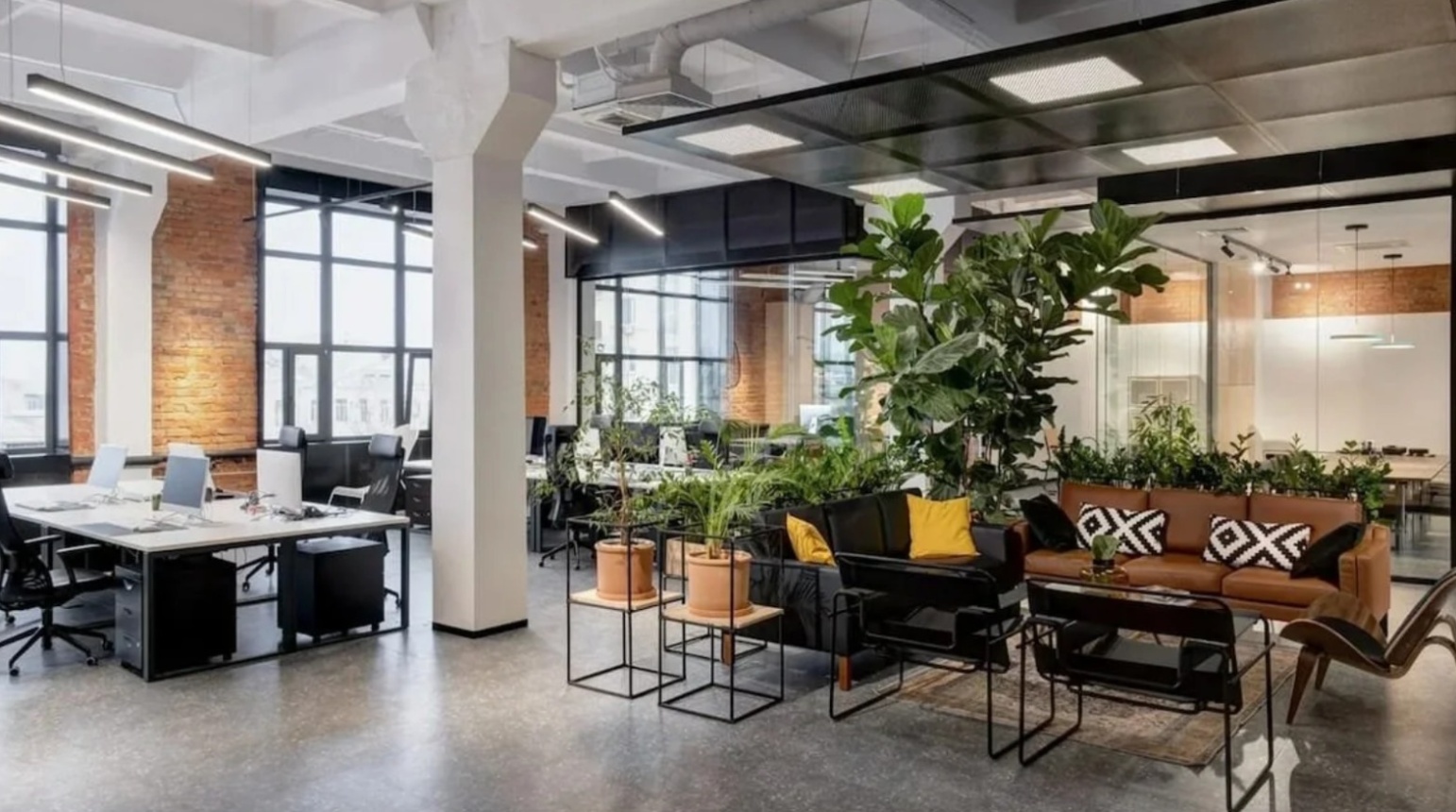
Bringing nature indoors in office decoration helps employees feel better. Desktop plants, vertical gardens, or large-leaf indoor plants provide both an aesthetic appearance and improve indoor air quality by increasing oxygen levels. Studies show that having plants in offices reduces stress and increases productivity. Natural textures such as wooden surfaces, stone details, or bamboo create warmth, calmness, and authenticity in the office. These elements bring natural balance to office room design.
Art and Personal Touches
Examining office decoration examples, we see that successful brands have their own language, expressed through artistic touches. Paintings from local artists, motivational typographic posters reflecting company values, or boards created with employee contributions enrich the office’s interior decoration language. These elements help employees feel a sense of belonging while adding uniqueness and character to workplace decoration. Artworks or personal touches reflecting your company’s vision and values can also leave a lasting impression on visitors.
Flooring Selection
Flooring is one of the most important elements determining an office’s overall atmosphere. It provides visual coherence while offering technical advantages such as sound insulation, ease of maintenance, hygiene, and durability. Therefore, flooring choices in office decoration should be evaluated not only for style but also for performance.
Vinyl-based products are frequently preferred in modern office designs. Vinyls with natural wood, concrete, or stone appearances offer a warm and contemporary look. They are also easy to clean and known for their durability under heavy traffic. However, in open-plan offices, sound management becomes a crucial factor. Carpet tile flooring stands out with superior acoustic performance. Its soft texture reduces footstep noise, increases overall comfort, and absorbs echo. Additionally, its modular structure allows even a single piece to be easily replaced as needed. With a variety of colors, textures, and patterns, office carpets align with corporate identity and can divide large offices into functional zones.
In small office designs, lighter-colored and simple-patterned flooring can make the space feel more spacious and airy. In high-traffic areas, materials that are easy to clean, stain-resistant, and durable should be prioritized.
Wall Coverings and Accessories
Office walls are not just empty surfaces; they are complementary parts of interior decoration and offer great potential to give the space character. Color, texture, and detail with messaging can bring vibrancy to spaces. Strategically painted areas in corporate colors, motivational quotes, or boards reflecting employees’ creativity add dynamism.
Functional solutions also play an important role. Acoustic panels can improve sound absorption and serve as aesthetic design elements. Whiteboards, magnetic surfaces, or digital screens create interactive areas. In office room design, walls can become active surfaces reflecting the office’s character with natural materials, artworks, or vertical plant walls. Stylish office designs demonstrate the importance of these details. For office entrance decoration, walls should be designed to leave a strong first impression, showcasing the company logo and corporate identity aesthetically.
Office Furniture Selection
Office furniture is one of the most fundamental, tangible, and effective elements of workplace decoration. It reflects both comfort and corporate aesthetics while directly impacting employee productivity.
Elements such as ergonomic chairs, adjustable desks, and appropriate storage solutions positively affect employees’ health, comfort, and productivity. Furniture supporting proper posture during long working hours prevents potential health problems.
Multi-functional furniture is especially important in small office designs. Modular, wheeled, or foldable furniture allows rapid adaptation to changing needs and flexible use of the space.
High-quality, durable materials offer long-lasting use and eliminate frequent replacement needs, providing cost savings in the long term.
The choice of color and material for furniture determines the overall atmosphere and corporate identity of the space. Light tones create openness, while dark colors generate a serious and sophisticated atmosphere. The most stylish office designs ensure furniture aligns with overall interior decoration.
In modern offices, furniture should be compatible with technological equipment. Integrated power outlets and charging units, cable management solutions, and monitor arms enhance both aesthetics and functionality.
All office decoration ideas and arrangement concepts, when considered as a whole, help create a workspace that is not only visually pleasing but also efficient, healthy, and inspiring. Using these office design examples as a guide, you can bring your own stylish office designs to life.
Application Ideas and Tips for Office Decoration
To make inspiring ideas from office design examples effective, they must be implemented correctly. It is not enough for them to simply look good; they must also enhance functionality, improve user experience, and be sustainable. Therefore, office arrangement ideas and decoration decisions encompass many elements, from space planning and material selection to lighting and storage solutions. The following tips will help you evaluate office interior decoration in a more functional and holistic way.
-
Divide the Space into Zones: Dividing your office into functional zones creates a more organized and practical layout. In open offices, common work areas, quiet focus corners, social spots, and meeting areas should be planned separately. This establishes dedicated spaces for each activity and improves workflow.
-
Use Modular Solutions: To respond quickly to changing needs, modular furniture, movable panels, or easily transportable partitions can be used. This is especially useful in small office decoration, ensuring efficient use of space and flexibility for future growth or reorganization.
-
Use Storage Wisely: Hidden storage solutions (under-desk drawers, cabinets behind shelves, wall-mounted units, etc.) keep the space tidy. In small office designs, vertical storage and multifunctional furniture are highly beneficial. Clutter increases stress, while an organized environment supports productivity.
-
Manage Cable Clutter: In offices with heavy technology usage, cable mess is inevitable. This is not only visually unpleasant but also poses safety and cleaning risks. Desk cable channels, integrated outlet solutions, and especially raised floor systems are effective ways to hide cables, creating an aesthetic and accessible infrastructure.
-
Plan Technology Integration: In modern office designs, technology is not just a tool but also a design component. Projection systems, digital boards, video conferencing equipment, sound systems, and high-speed connectivity infrastructure are essential in today’s meeting rooms. This integration facilitates work processes and enhances productivity.
These application ideas provide not only visual appeal but also significant advantages in employee comfort and workflow efficiency.